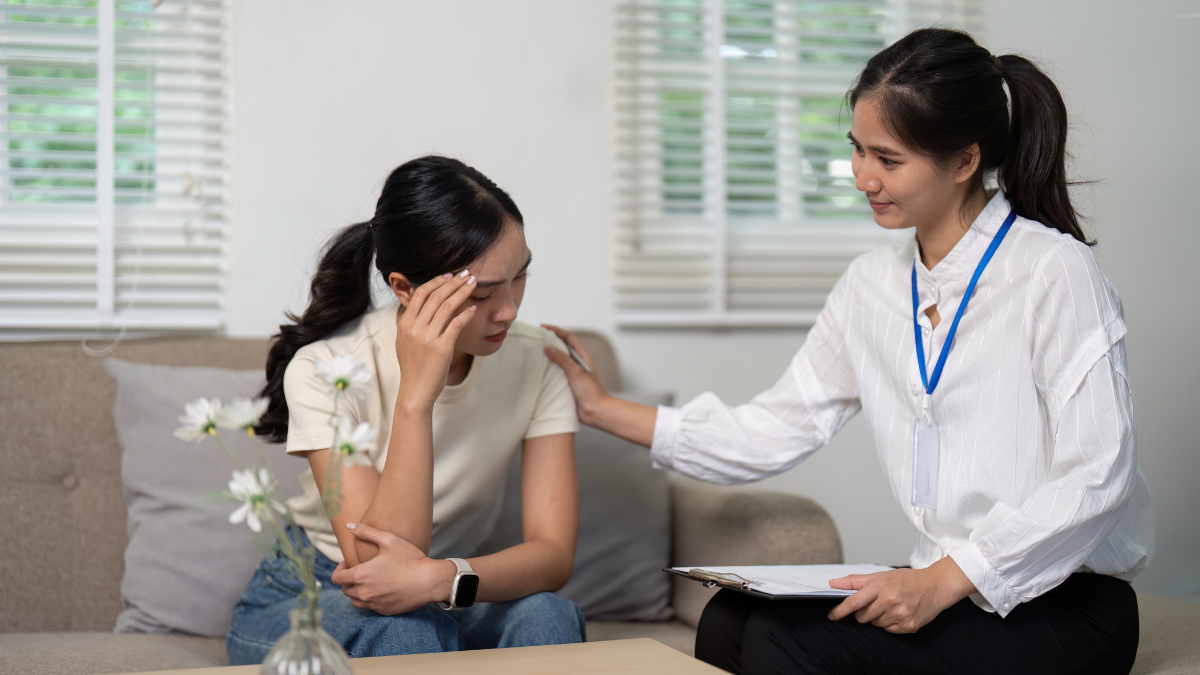
Women and Mental Health: Understanding the Most Common Mental Health Disorders in Women

Table of Contents
The knowledge and information regarding mental health have grown by leaps and bounds in the past few decades. Today, we understand that it is extremely crucial to your well-being across different ages, genders, races, and backgrounds. Yet, each of these populations can have its unique experiences with mental health and conditions. Women’s unique biology, hormones, and social experiences can make women more likely to develop certain conditions than men. Recognizing the early signs of mental illness in woman is the first step to breaking the cycle and seeking the care you need and deserve.
Why Mental Health Affects Women Differently?
Mental health can affect men and women differently, given the different biological and socio-cultural factors.
Biological Factors
Biological factors, such as hormones, can often play a role in mental health. For instance, estrogen is a female hormone that is linked with positive, protective effects.
A feel-good hormone called serotonin is produced in lower quantities among women than in men. This can lead to higher rates of depression among women, as serotonin functions as a mood stabilizer.
Hormonal Shifts
Hormonal shifts during major life events like puberty, pregnancy, postpartum, and menopause can impact mental health greatly. For instance, women can develop conditions like anxiety and depression around major life transitions.
Trauma
Statistically speaking, women are exposed to traumatic experiences like abuse in greater numbers than men. Women are also more likely to be victims of sexual assault and intimate partner violence than men. Therefore, the likelihood of developing post-traumatic stress disorder (PTSD) after certain life experiences is greater among women than in men.
Socio-Cultural Experiences
Women are held to different socio-cultural expectations than men. For instance, in increasingly capitalistic yet patriarchal societies, women are expected to balance the roles of caregivers and professionals perfectly. These expectations can lead to greater levels of stress, anxiety, and burnout among women.
What Are the Most Common Mental Health Disorders in Women?
Certain mental health disorders are more common among women than in men, such as:
Anxiety Disorders
Biological factors and socio-cultural expectations can increase the likelihood of anxiety disorders, such as generalized anxiety disorder (GAD), panic disorder, and specific phobias, among women. The most commonly recognizable symptoms include:
- Excessive worry or fear
- Constant feeling of being on the edge
- Difficulty focusing
- Disturbed sleep patterns
- Rapid heartbeat
- Shortness of breath.
While some anxiety is common in daily life, when anxiety becomes too overwhelming and disproportionate in relation to the threat, it is a matter of concern.
Major Depressive Disorder
Major depressive disorder or depression is commonly diagnosed in women than in men. In fact, women are nearly twice as likely as men to experience depression. Some of the common symptoms include:
- Persistent feelings of sadness, emptiness, and worthlessness
- Loss of interest in activities that were once enjoyable/pleasurable
- Disturbed sleep patterns
- Low energy
- Feeling fatigued
- Weight loss/gain.
Eating Disorders
Eating disorders, such as anorexia nervosa and bulimia nervosa, are disproportionately diagnosed among women because of the perceived or real social pressure to fit into a certain beauty standard. Common symptoms include:
- Extremely concerned to the point of being obsessed with body weight
- Restrictive eating
- Avoiding meals or circumstances where food is involved
- Binge eating and purging cycles
- Hair loss
- Irregular periods.
Post-Traumatic Stress Disorder (PTSD)
We have very often heard of PTSD in relation to wars and veterans, but the truth of the matter is that women are nearly 2-3 times more likely to develop PTSD than men, especially following experiences such as abuse, sexual assault, domestic violence, and other kinds of trauma. Some of the typical PTSD symptoms are as follows:
- Flashbacks
- Intrusive memories
- Going to great lengths to avoid the reminders of the trauma
- Heightened anxiety
- Disturbed sleep patterns
- Nightmares.
While research has not found significant differences in the rate at which bipolar disorder and schizophrenia are diagnosed among men and women, these are also some of the significant conditions that women struggle with. In fact, women with schizophrenia are more likely to experience significant impairment when compared to men with schizophrenia.
Identifying the Signs of Mental Illness in Woman
While mental health disorders can affect different persons differently, here are some commonly recognizable signs of mental illness in woman:
- Changes in mood, energy, and eating patterns
- Worry, restlessness, and anxiety
- Irritability and anger
- Disturbed sleep patterns, such as either sleeping too little or sleeping too much
- Low energy
- Fatigue
- Difficulty focusing
- Social withdrawal and isolation
- Headaches, body aches, and digestive disturbances that cannot be traced to medical reasons
- Substance use
- Suicidal thoughts and ideation.
If anybody is experiencing suicidal thoughts or ideation, please call national suicide helplines like 9-8-8 in the U.S. immediately. This can be a life-saving move.
Breaking the Cycle and Seeking the Care You Need
Mental health conditions can seem like a repetitive cycle out of which there is no escape, but the encouraging news here is that women mental illnesses can be treated. Whenever you are ready to take this step, you can reach out to your primary healthcare provider. They can then connect you to licensed and trained mental health specialists.
Typically, mental health and co-occurring conditions of substance use (if present) can be treated with detox, psychotherapy, medication management, peer support, and aftercare.
Take Your First Step Today – Reach Out to Skyline
Understanding the signs and symptoms of the most common female mental disorders is the first step toward healing.
If you or someone you know is showing signs of struggle or mental health conditions, please do not hesitate to reach out to Skyline Recovery Center. We offer personalized healing options that can be tailored to your needs and goals so that you can journey toward a healthier future with hope and confidence.
Please call us at (424) 353-5206 to begin healing today!