Evidence-Based Therapy
Addiction Therapy Modalities
Therapy Modalities Used in Outpatient Treatment
Evidence-based therapeutic modalities combined into a coordinated care plan that can be tailored to fit your needs and goals for a whole-person healing experience.
- Psychoeducation, CBT, DBT, EMDR, holistic therapies, and more
- Personalized to your underlying patterns - thoughts, emotions, trauma, or stress
- Combined for whole-person care
- Integrated into structured programs like IOP and PHP



What Are Therapy Modalities?
Therapy modalities are specific types of psychotherapeutic interventions used to treat behavioral health concerns, such as stress, anxiety, depression, trauma, substance use, etc.
Each modality focuses on a specific experience – for instance, how you may think, feel, or behave, or even how your past experiences impact your present.
These therapy approaches for mental health are designed to shine a light on what is happening internally, even as you focus on developing the tools and skills to deal with your deeper challenges. Together with medication, skill building, and other treatment approaches, they become the system of care you need for a whole-person healing experience – from the mind, body, and spirit.
Why Are Different Therapy Approaches Used Together?
The treatment for behavioral health concerns does not come in a one-size-fits-all box. Nor should it.
Your story and experiences are unique to you, your challenges are unique to you, and different experiences and challenges require different tools. What enables you to understand your thinking patterns may not be the same thing that allows you to regulate your emotions or behavior.
Real healing and growth come from how these treatment approaches for mental health work together, and it is not based on just one method alone.
By combining multiple therapeutic modalities, you receive a system of care that becomes unique, harmonious, and effective for you over a period of time.

Therapy Modalities Used in Treatment
Psychoeducation provides you and your loved ones with the information and tools to better understand and cope with your behavioral health concerns. It is a structured, systematic modality that combines education with psychotherapy to enhance treatment outcomes, reduce relapse, and empower you to make informed decisions about your care.
Cognitive behavioral therapy (CBT) is among the most widely practiced therapies, as it can enable you to identify and change negative thinking patterns and behaviors toward healing and personal growth. It makes you aware of the cognitive distortions and negative thought patterns and provides practical strategies to reframe them.
Dialectical behavior therapy combines CBT principles with real-life skills to develop emotion regulation and practical coping strategies. It is used in both individual and group settings. It is focused on instilling skills like mindfulness, distress tolerance, emotion regulation, and interpersonal effectiveness that become the strong foundation for you to manage the stresses and conflicts of daily life.
Holistic therapies are complementary therapies that treat the “whole person” rather than just one symptom or illness. Holistic therapeutic practices like breathwork, meditation, and mindfulness, among others, are combined with traditional therapy to build healthier routines as you move forward.
Eye movement desensitization and reprocessing therapy (EMDR) is used to treat trauma and trauma-related conditions like post-traumatic stress disorder. It uses bilateral stimulation, most often guided side-to-side eye movements, while you recall unresolved traumatic memories so as to allow your brain to reprocess these memories in a healthy way.

How Do These Therapies Work Together?
Each therapy modality plays a specific role, but the real impact comes from how they connect with each other in your recovery from substance use and co-occurring mental health concerns.
Typically, your understanding of your behavioral health begins with psychoeducation that helps in seeing the substance use or mental health patterns clearly.
Your inner thinking patterns are explored through CBT, reshaping unhelpful patterns into healthier, productive ones, while DBT builds emotion regulation and coping skills.
As trauma-informed care is becoming integral to understanding the behavioral patterns, traumatic experiences are processed through EMDR, as it reduces the emotional intensity from past experiences.
Holistic therapeutic approaches complement traditional therapy, serving as the foundation for healthier habits and routines that prioritize your recovery going forward.
Where Do These Therapies Fit in Treatment?
Therapeutic modalities become the cornerstone of structured care programs to treat substance use and co-occurring mental health conditions.
At Skyline Recovery, they are integrated into outpatient programs like partial hospitalization programs and intensive outpatient programs. You receive individual and group therapeutic sessions throughout the week for a sustained healing experience. Standard outpatient therapy methods are also available – this is typically recommended for those who are stepping down from higher levels of structured care.
In these settings, therapies are not used randomly, but they are integrated into a coordinated care plan that meets you where you are – and moves with you.
If you are researching therapy types in Los Angeles, understanding how these modalities are structured within different levels of care can give you better clarity on what to expect.

Finding the Right Approach for You
When you are considering beginning therapy, you have already taken a step forward toward change. But this does not mean you have to have everything figured out right at the outset.
Most therapeutic plans are personalized, combining different therapy modalities based on your experiences, needs, and goals. What levels of care can be beneficial for you in your journey may look different from everyone else’s, and that is the goal.
The goal is not to choose the one “right” therapy. It is to find a combination that strengthens you to move forward in a way that feels relevant and empowering to you.
Get Clarity on What Your Care Plan Can Look Like
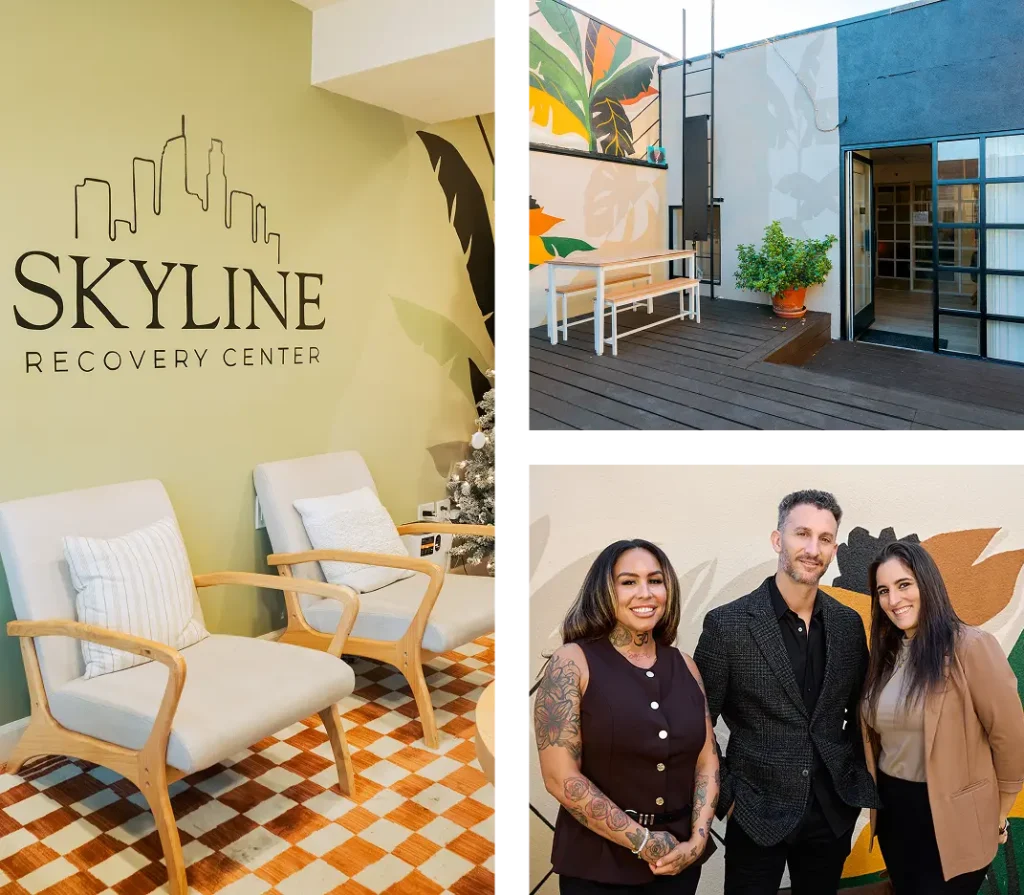
If you are trying to understand what care plan makes sense for you – you can reach out to Skyline Recovery Center whenever you are ready.
Our experts are always available for you. We will sit with you to understand your story and concerns to craft a plan that fits in with your life, needs, and goals. Getting clarity on your options, without having to commit to anything right away, can shed light on what your next steps can be – and you can move forward with greater confidence at your own pace.

Frequently Asked Questions About Therapeutic Modalities
What are therapy modalities?
A therapy modality refers to a specific method used by a licensed psychotherapist to treat substance use and co-occurring mental health conditions.
How do I know which therapy I need?
The therapeutic modality used will be unique to you and depend on your needs and goals. Most treatment plans will integrate multiple approaches for a whole-person healing experience.
Do I have to choose just one type of therapy?
Different types of therapeutic modalities are integrated to form a system of care that meets you where you are for a relevant and empowering healing experience.
What therapy is best for anxiety or stress?
While it depends on your unique challenges, typically, a combination of CBT, DBT, and holistic therapies is used.
Where are these therapies provided?
Therapies are integrated into structured outpatient programs that can be delivered both in-person and online (when appropriate).