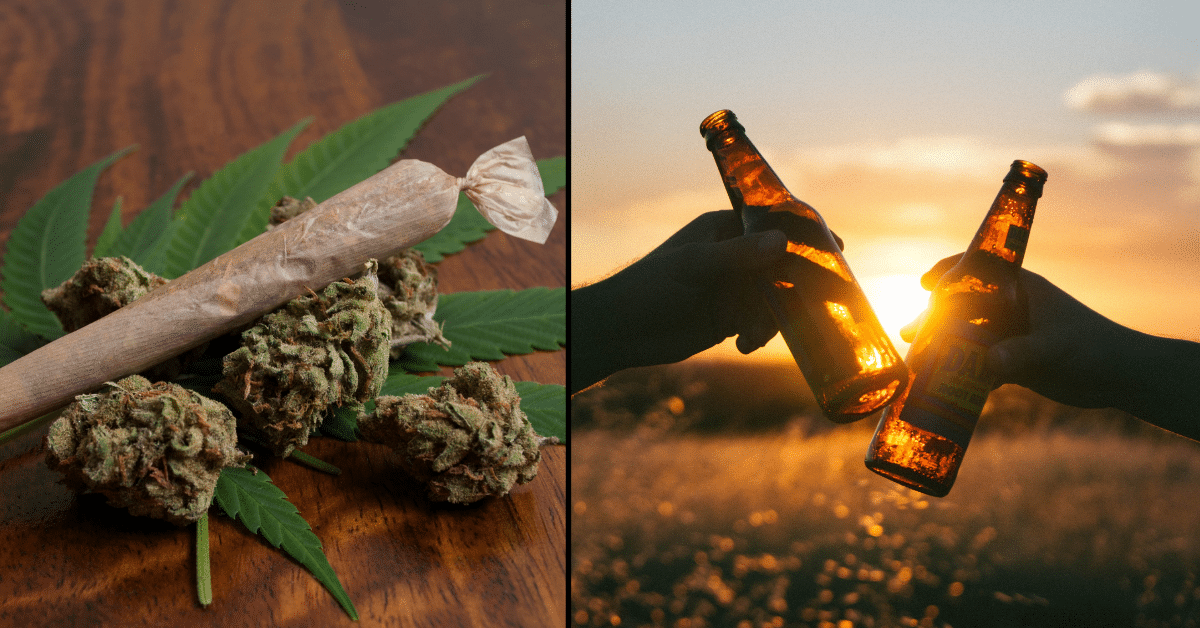
Today, more people have easy access to cannabis (marijuana or weed) than ever. On the other hand, alcohol use has been normalized and even celebrated in many cultures and communities for ages. So, it is common to wonder what’s worse, alcohol or weed, when choosing between these substances. While abstinence is a healthier option than either, we will have to explore how alcohol and weed measure up against one another when it comes to safety and well-being.
In this article, we will weigh in on – is alcohol worse than weed? Or, is weed worse than alcohol? The answer may be one that really surprises you.
Why People Compare Alcohol and Weed?
People compare alcohol and weed because both substances are widely available, socially accepted to varying degrees, and used for similar reasons – such as relaxation, stress relief, socializing, or escaping difficult emotions.
This comparison often arises during a stage where substance use becomes normalized, where you question whether one is “safer” than the other, as you evaluate your habits.
The Risks of Alcohol Use
While the immediate risks of alcohol use are impaired judgment and coordination, disturbed sleep, hangovers, dehydration, vomiting, diarrhea, and dangerous drug interactions, the longer-lasting consequences of heavy and prolonged alcohol use are:
- Discomforting and even dangerous withdrawal symptoms
- Cognitive dysfunctions with learning and memory
- Liver damage
- Brain damage, especially among adolescents and teenagers.
- Increased risk of heart disease and cancer
- Premature death.
The Risks of Weed Use
While alcohol has been more normalized than weed, the risks of both are somewhat similar. Here are some longer-lasting consequences of heavy and prolonged weed use:
- Cognitive dysfunctions with learning and memory
- Bronchitis
- Lung injuries
- Increased risk of heart attack and stroke
- Brain damage, especially among adolescents and teenagers.
Explore What Kind Of Care Makes Sense For You
You do not have to wait for things to become severe before asking what level of care can provide a strong foundation for your recovery from alcohol or weed-related challenges.
You can reach out to licensed mental health specialists who will understand your needs and goals and offer clarity on your options.
Polysubstance Use – Using Both Weed and Alcohol
When it comes to the question what’s worse weed or alcohol, we need to keep in mind that there are many who use both of these psychoactive substances for enhanced effects of both. Unfortunately, this cross-fading only intensifies the risk and impairments, such as:
- Increased intoxication
- Stronger cognitive impairment of judgment and coordination, leading to injuries, accidents, and even life-threatening circumstances.
- Increases the risk of polysubstance use disorder (addiction to both) and mental health conditions.
In other words, as alcohol and weed have similar risks; therefore, avoiding mixing them is necessary. In fact, those under 21, pregnant, or breastfeeding must seek to avoid both of these substances entirely.
The Benefits of Weed and Alcohol
While some people use alcohol or cannabis recreationally or for symptom relief, both substances can become problematic when use becomes more frequent, emotionally relied upon, or harder to control. While it may be pleasant, there are no known benefits of moderate drinking in the long run.
On the contrary, weed has been caught in the legalization debate because of the perceived health benefits under controlled conditions, such as:
- Pain relief
- Sleep aid for those with chronic pain
- Uplifts mood and quality of life among those with chronic conditions
- Reduction in nausea and vomiting among those undergoing chemotherapy.
Meanwhile, experts also suggest that weed can have potential benefits for those with autism, irritable bowel syndrome, and neurodegenerative conditions. However, it is very early to tell one way or the other, and more research is required.
Verdict – So, What’s Worse, Alcohol or Weed?
Is alcohol worse than weed, or is weed worse than alcohol – well, the jury is out, and the answer is not as straightforward. How alcohol and weed affect you can vary, as different substances affect different persons in different ways. Your genetics and biology matter – these personal factors can make one better than the other for you. However, keep in mind that neither is harmless.
Objectively speaking, in the short-term:
- Alcohol is indeed worse. It leads to significant cognitive and motor impairment, leading to injuries, accidents, and worse. The risk of alcohol poisoning is also higher. In fact, alcohol can even lead to a sudden and powerful overdose.
- On the other hand, weed is not as significantly damaging in the short term. Controlled use can even have potential medical benefits. Of course, this varies from person to person as well.
However, in the long term, both of these substances are highly appealing and addictive. Even if many do not agree that weed is addictive, its allure and appeal make you go back for more. Heavy and prolonged use of both is dangerous and can lead to significant consequences, such as alcohol use disorder, cannabis use disorder, and other physical and mental health complications.
Fatalities – What’s Worse Weed or Alcohol?
When it comes to fatalities, alcohol is more dangerous. The Centers for Disease Control and Prevention (CDC) estimates that nearly 178,000 die from excessive drinking every year in the U.S. alone. In fact, an estimated 2,200 die from alcohol poisoning itself.
On the contrary, weed use does not lead to as many deaths. The CDC estimated that nearly 16,822 deaths were due to exposure to and poisoning by narcotics and psychodysleptics – a broad category that includes weed and other substances such as cocaine, heroin, morphine, and so on. One may need very large amounts of cannabis to suffer from the same consequences as alcohol, and it is impossible for anyone to consume such large amounts. However, it has been noted that some people who died from car accidents did have weed in their blood.
When Substance Use Starts Feeling Harder to Control
Many of those who begin comparing alcohol and weed are not in a crisis – they are still functioning in daily life. Over time, what began as occasional use for relaxation can shift into patterns that feel harder to manage. You might notice yourself thinking about the next drink or session more often, or using one substance to balance the effects of the other.
When Coping Starts Becoming Dependence
Stress coping patterns play a major role in how substance use evolves. What begins as a way to unwind after a long day or manage anxiety can gradually become the primary way you cope with stress or difficult emotions.
This pattern of coping or going back to substances as some kind of an emotional reliance system is a key sign that use is moving beyond casual into dependence.
Signs Substance Use May Be Affecting Mental Health
Both alcohol and weed have a significant impact on mental health. Look out for increased anxiety, depression, mood swings, paranoia, or trouble focusing, even when not using. These effects can compound existing mental health challenges, creating a cycle that is difficult to break without structured care.
The Bottom Line
If you are asking what’s worse alcohol or weed, then in a nutshell:
- For immediate, life-threatening risk, alcohol is often worse.
- For developmental, cognitive, and mental health effects, especially among youth – both alcohol and weed carry significant long-term risks.
The best way to go about it is to know the effects of both, the risks of both, your own tolerance level, and engage in practicing abstinence.
Find a Healthier Path Forward With Skyline Recovery
For many people, the bigger question is not which substance is worse overall, but whether past behavior patterns from substance use are starting to affect mental health, relationships, or the ability to cope without it.
If substance use is affecting you or your loved one’s life – Skyline Recovery Center is here for you. Our expert team offers personalized care to help you or your loved one navigate recovery with dignity and strength.
If you are ready to explore, we also offer outpatient programs like intensive outpatient and partial hospitalization programs that provide a structured yet flexible pathway to recovery, where you do not have to juggle between your daily life and behavioral health needs.
Get Clarity On Your Options
Whenever you feel ready, you can reach out to licensed mental health specialists who will sit down with you to understand your needs and goals in safe and confidential settings to offer clarity on what your next steps toward healing from alcohol or weed can be.