If you have heard of post-traumatic stress disorder (PTSD), you have most likely heard it in relation to war veterans. But this is not always the case. PTSD can happen to anyone – and many times, it can be unexpected and complex. Typically, PTSD follows a traumatic event – but sometimes, you can experience PTSD months or even years after a traumatic event. PTSD can sneak in unexpectedly, without you even realizing a trauma-related reason behind your sleeplessness, hopelessness, anxiety, and other kinds of mental disturbances.
What Is PTSD?
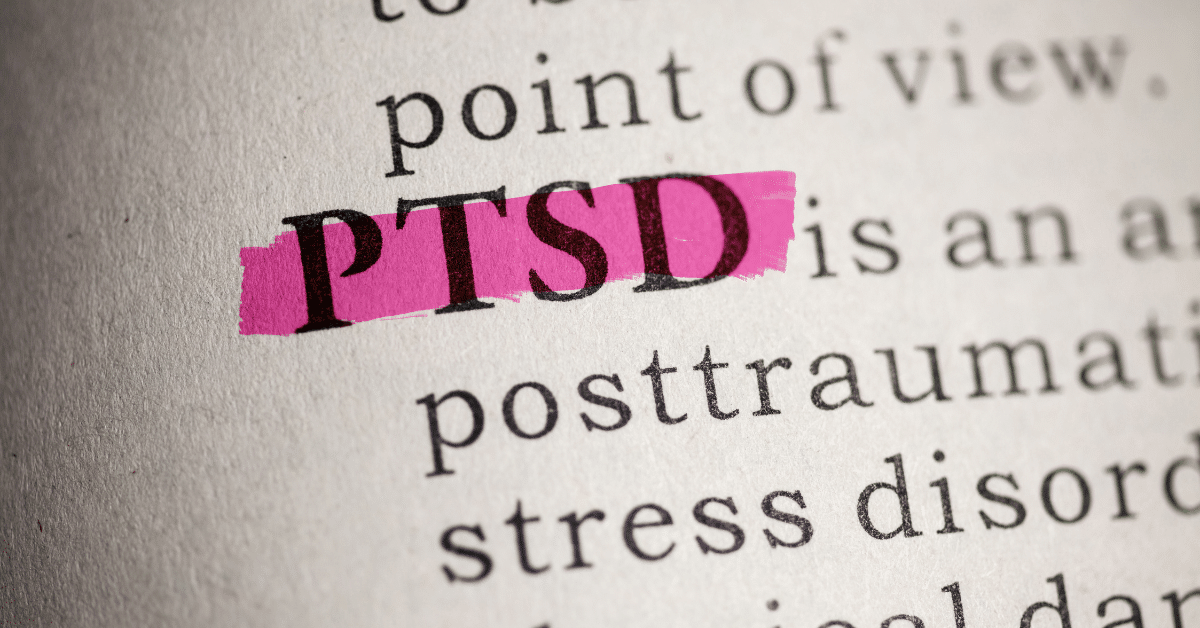
PTSD stands for post-traumatic stress disorder; it is sometimes also known as post-traumatic stress syndrome. PTSD is a mental health condition that follows a traumatic event – either experiencing it yourself or even witnessing one.
PTSD is typically characterized by anxiety, flashbacks, and nightmares in regard to the event, with the traumatic events commonly involving:
- Accident(s)
- Severe injury or chronic illness
- Physical abuse
- Sexual assault or abuse
- Bullying
- War
- Natural disasters
- Sudden death of a loved one.
PTSD can be very severe in that it can impact your daily life, functioning, and relationships. This is why personalized care with psychotherapy and medication is needed to heal and lead a fulfilling life.
What is CPTSD?
While PTSD can follow a single traumatic event, complex post-traumatic stress disorder (CPTSD) is a mental health condition that develops from repeated and prolonged exposure to traumatic events, like childhood abuse or domestic violence.
While PTSD and CPTSD may have many similarities, there are some differences in terms of the symptoms, such as:
- Amnesia
- Dissociation
- Feelings of shame, guilt, and a lack of self-worth
- Difficulty in interpersonal relationships.
Unfortunately, with CPTSD – it can often be mistaken for bipolar disorder and borderline personality disorder, because of overlapping symptoms.
This is why a comprehensive psychiatric evaluation (psych eval) and an accurate diagnosis are required for an appropriate level of personalized treatment for CPTSD.
Can I Have PTSD and Not Know It?
Yes, you can have PTSD or even CPTSD and not know it. This is more common than you realize. Many persons can live for years and even decades with PTSD, and not realize what is the reason for their mental and emotional distress.
There are a few reasons why you can have PTSD/CPTSD and not know it:
Trauma is very difficult to define. Many times, people associate trauma with war or other life-threatening events, but trauma is very subjective. Abuse, neglect, and even witnessing traumatic events can lead to PTSD. As these experiences may not be deemed severe enough for PTSD, many may not associate their symptoms with trauma.
PTSD and CPTSD can be misdiagnosed, which is quite common. They can be mistaken for other conditions like bipolar disorder, borderline personality disorder, or even anxiety because of the overlapping symptoms. This is when your symptoms can be misattributed to other reasons and not trauma.
Delayed-onset PTSD. As we told you earlier, PTSD does not always immediately develop after a traumatic event. Sometimes the symptoms can develop months and even years after the event(s). This delay can confuse a person, as they may not be able to link their symptoms with trauma.
There might be barriers to a PTSD diagnosis and care. In the U.S., only 47.2% of those diagnosed with a mental health condition receive the care they need and deserve. While mental health has improved leaps and bounds over the past few decades, there is still stigma, discrimination, and minimizing experiences that can prevent one from acknowledging their trauma and reaching out for the care they need to heal.
What Are the Red Flags You Need to Watch Out For?
While PTSD symptoms can differ from person to person, some of the commonly recognizable symptoms such as:
- Anxiety regarding the traumatic event
- Persistent, intrusive thoughts, like flashbacks
- Sleeplessness
- Nightmares
- Detachment
- Feelings of shame and worthlessness
- Easy to startle and anger.
However, not all PTSD symptoms always look like this. Some symptoms that may also indicate the presence of PTSD and are overlooked are:
- Avoiding the conversations, activities, people, and places associated with the traumatic event.
- Low mood, characterized by feelings of shame, guilt, worthlessness, and hopelessness.
- The constant feeling of being on the edge, irritable, and jumpy.
- Emotional numbness
- Cognitive difficulties, such as with memory, focus, and decision-making.
Can You Have PTSD Without a Traumatic Event?
By definition, PTSD cannot be diagnosed without at least one traumatic event. But it is possible for PTSD to develop after emotional upheavals like a divorce or unemployment that are considered to be “non-traumatic triggers” in general.
For instance, in a 2005 study involving over 450 undergraduates, students reported experiencing non-traumatic triggers such as relationship troubles, imprisonment, divorce of parents, or a serious illness in a loved one. These findings do question whether PTSD can be diagnosed without a traumatic event pertaining to physical threats.
Treating PTSD
Like many other mental health conditions, PTSD and CPTSD can seem like a pernicious cycle of anxiety, flashbacks, and nightmares – but there is light at the end of this tunnel. PTSD and CPTSD can be treated with:
- Psychotherapy involving:
- Cognitive processing therapy, which is meant to change the negative beliefs and emotions related to the trauma.
- Trauma-focused CBT, which identifies how the body responds to trauma and stress. It will also involve changing thinking patterns and symptom management.
- Eye movement desensitization and reprocessing (EMDR) therapy, which involves moving the eyes in a specific manner to process traumatic memories.
- Prolonged exposure therapy, which involves repeated, detailed imaginings of trauma or progressive exposure to triggers under safe and controlled conditions.
- Group therapy, which encourages peers and survivors of traumatic events and experiences to find healing in sharing and mutual support.
- Medication management involving antidepressants like selective serotonin reuptake inhibitors (SSRIs) and selective norepinephrine reuptake inhibitors (SNRIs).
- Holistic healing methods, such as physical exercise, nutrition, meditation, mindfulness, yoga, and more.
- Lifestyle modifications that prioritize self-care and connectedness.
The Care You Need and Deserve for PTSD Today!
While PTSD may not always be immediately recognizable, knowing the signs of PTSD or CPTSD is a positive step toward healing. If you or a loved one has experienced trauma and is experiencing anxiety, flashbacks, and nightmares, it is crucial for you to know that care is available for you at Skyline Recovery Center.
We offer personalized outpatient care options involving therapy, medication, and holistic healing options that can provide a well-rounded path toward healing.
If you are struggling with trauma or turning to substance use to cope with these symptoms, reach out to us at (424) 353-5206 to begin healing today!